Rural Commons Land Trust is a non-profit created to support permanently affordable rural housing, ecological restoration, agriculture, cottage industry, and shared rural infrastructure.
Projects we support are small, resident-led rural housing clusters designed to make local living more stable and affordable. They combine modest homes, shared infrastructure, workshops, food-growing space, and flexible ownership models so residents are not forced to spend all of their income on housing, but can instead build savings, start businesses, care for family, and contribute locally.
RCLT supports projects with applicable co-ownership and lease structures, and easements to protect permanent affordability. The funds support development, while residents guide the day-to-day life of each place.
What Is a Rural Housing Cluster?
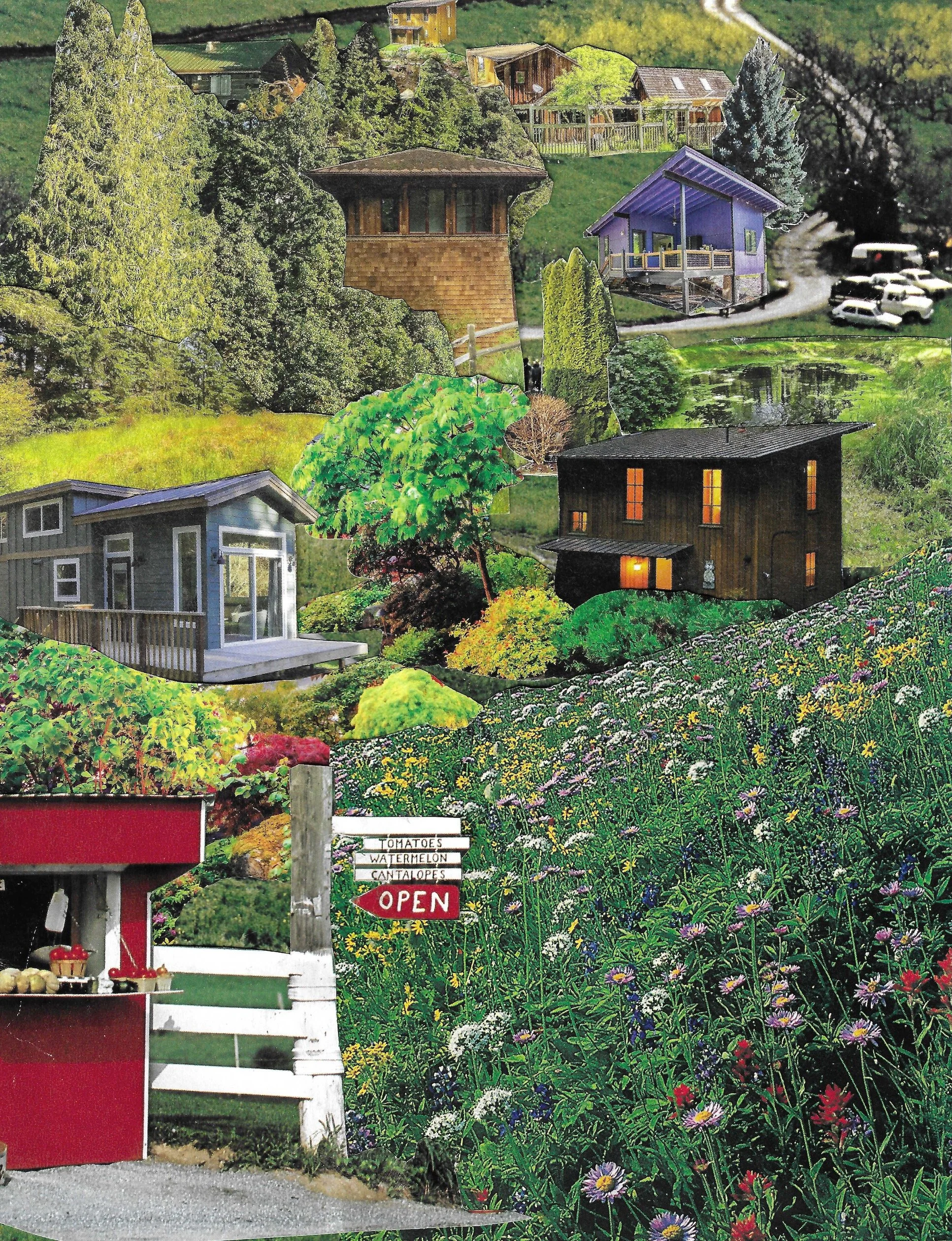
A rural housing cluster is a planning model that allows several modest homes to be built close together on a portion of rural land, while preserving the rest of the property as open space, farmland, or forest.
These clusters Conserve land through compact building footprints, Reduce infrastructure costs by sharing driveways, utilities, and septic systems, Support affordability through flexible ownership models and low-impact design, and Preserve rural character by minimizing sprawl and avoiding suburban-style development.
There is a San Juan County Code Amendment Request that would make rural affordable housing more feasible.
It has been prioritized in the workplan.
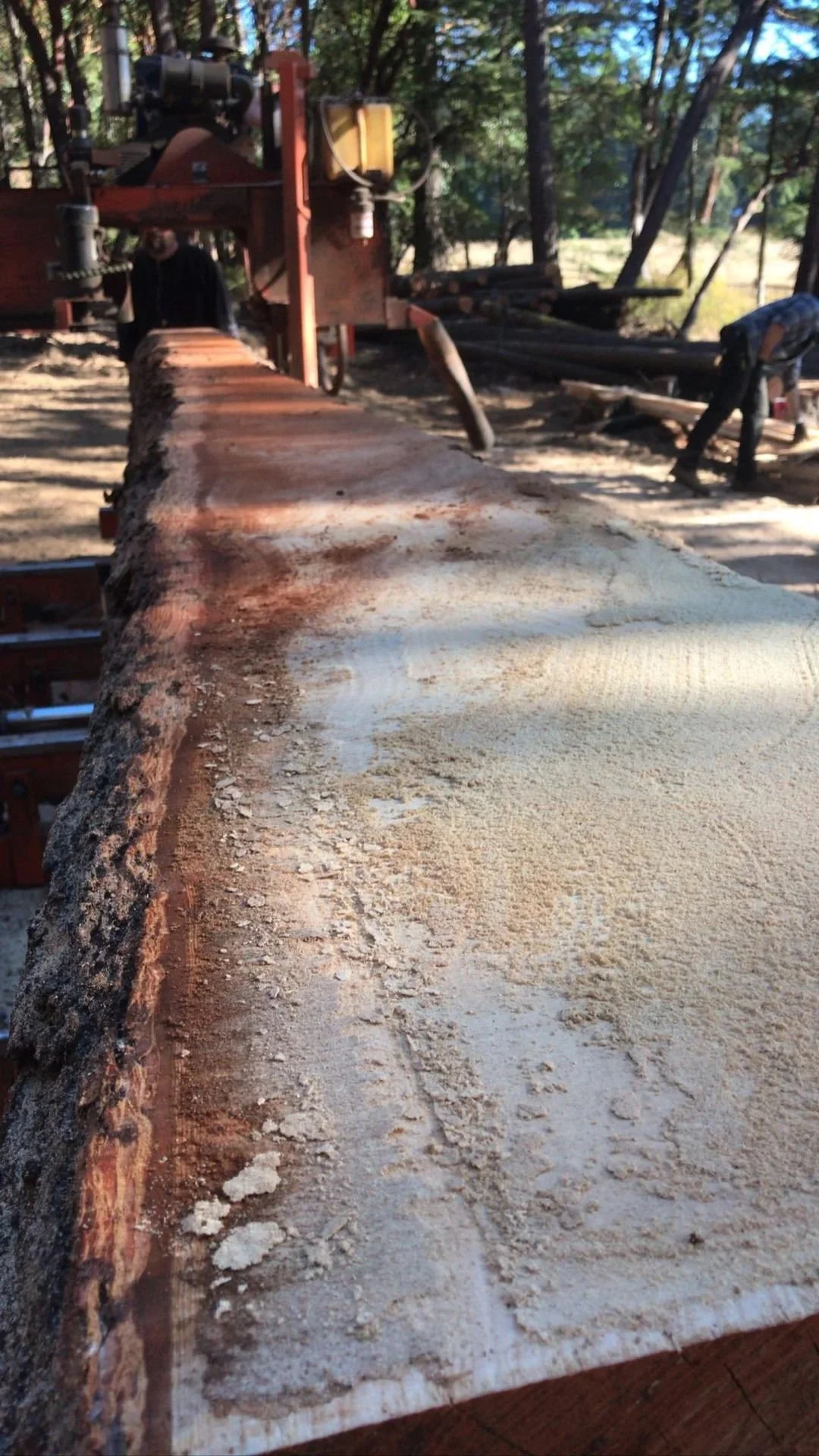
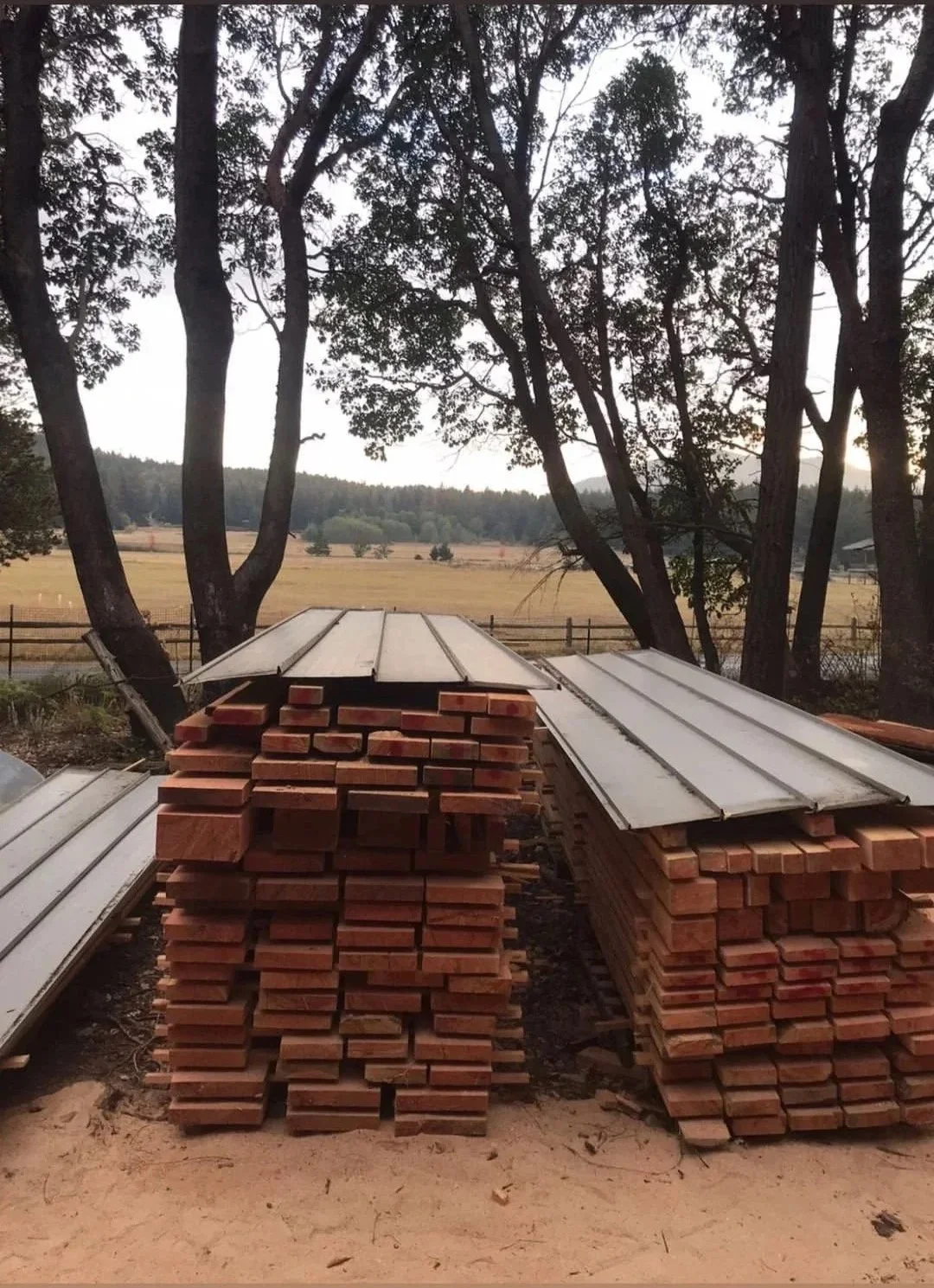
We are currently applying for funding to support the Vortex, an affordable rural housing cluster and outside of Eastsound. Our long-term goal is to help make more small villages possible over time. Currently we are focused on finding, designing, building, and documenting high-quality, locally sourced housing kits that can be assembled quickly and affordably.
Any dwelling financed in whole or in part by Rural Commons Home Fund-supported loan funds must comply with applicable ESDS requirements, county affordability requirements, building permits, and Rural Commons construction standards.
Our founding members have already tested the co-ownership model through Long Duck Farms, an independently owned and operated pilot project that provides low-cost rural housing and shared infrastructure.
We are not yet in a position to directly start or support additional village projects, but please reach out if you are working on your own rural housing effort.
From Unregulated Rentals to Mixed-Use Villages: Breaking Free from the Subsistence Loop and Empowering Local Entrepreneurs
Rent-controlled apartments and subsidized housing provide some stability but offer no path to ownership. Renters can afford to live but not to grow. There’s no space to garden or start a business, and no time to learn skills, rest, or recover. The system provides just enough to stay afloat, but never enough to move forward.
For those who can’t even access these rentals, the situation is worse. Many workers end up in unregulated trailer rentals, paying cash for substandard housing with no lease or protections. These setups exist only because legal alternatives don’t.
It’s not just about money. Poor living conditions actively harm people. Many of these trailers are uninsulated, moldy, or have unsafe wiring and plumbing. Living in these conditions causes chronic stress, health problems, and constant instability.
Affordable housing should be a foundation for independence, not a ceiling that limits how far people can go.
By shifting from temporary, restrictive rental models to housing that supports ownership, flexibility, and community-driven work, we can break out of the cycle.
Tiny house villages, worker-owned land, and sustainable housing developments aren’t just possible, they’re necessary for a future where people can thrive, not just survive.
The time to start is now.
Resident Control, Permanent Affordability
Each project we support is resident-owned through an LLC.
RCLT holds a non-voting stewardship interest tied to the shared community space, affordable rentals, and ownership shares reserved for residents who are buying in or transitioning out.
This structure allows residents to maintain day-to-day control while RCLT provides project funding and home financing. This makes it possible for mission-aligned property owners to offer units at permanently affordable rents. It keeps the public-benefit protections of a land trust while avoiding the high administrative costs of a traditional CLT. Because residents manage day-to-day operations themselves, RCLT’s role stays limited and expenses remain low.
Every property includes a County-recorded permanent affordability agreement. Rent is capped, and buy-in and buy-out terms are designed to keep homes affordable over time.
Because owners and residents keep meaningful decision-making power, more landholders may be willing to preserve land as rent-capped housing forever.
The LLC agreement defines how residents select renters, approve new owners, manage repairs, share responsibilities, and make major decisions. If needed, RCLT can temporarily purchase and hold units to preserve affordability.
Resident-guided tenant selection helps people live near family, partners, caregivers, work partners, and trusted support networks, creating more stable placements and reducing turnover. A portion of the rent returns to RCLT to continue funding more affordable homes.
This structure keeps public benefit public. Grant money would not become private profit, because the property would remain affordability-restricted even if the CLT’s financial interest were bought out. At the same time, the resident-owned LLC would retain long-term self-determination and would not be permanently trapped if the non-profit became ineffective, misaligned, or underfunded in the future.
If RCLT’s stewardship share is bought out, those funds return to RCLT’s rural housing fund to help finance future clusters and resident loans.
Natural Diversity Through Practical Need
This model does not create diversity through symbolic inclusion. It creates conditions where a broader range of people can realistically belong.
In rural communities, racial inequity, disability, low wages, family caregiving, unstable housing, and lack of inherited wealth often overlap. People who have been pushed out of conventional ownership models are also often the people most experienced in mutual aid, shared resources, informal support networks, and making limited resources work.
Resident ownership matters because it gives people a real voice in the social environment they are joining. For many people, especially those who have experienced racism, ableism, poverty, displacement, or unsafe housing, the ability to help shape community expectations is part of what makes long-term housing feel possible.
A healthy village requires many kinds of intelligence: emotional, practical, cultural, social, ecological, financial, and professional. No single race, class, age group, or background holds all of those strengths. By lowering the cost of entry and sharing real decision-making power, this structure naturally attracts people with different lived experiences and different forms of skill, because the village needs all of them to work.
Vortex Village Project
This project will use a resident-owned LLC, a nonprofit community land trust stewardship interest, and a County-recorded affordability agreement to create a permanently affordable rural residential cluster.
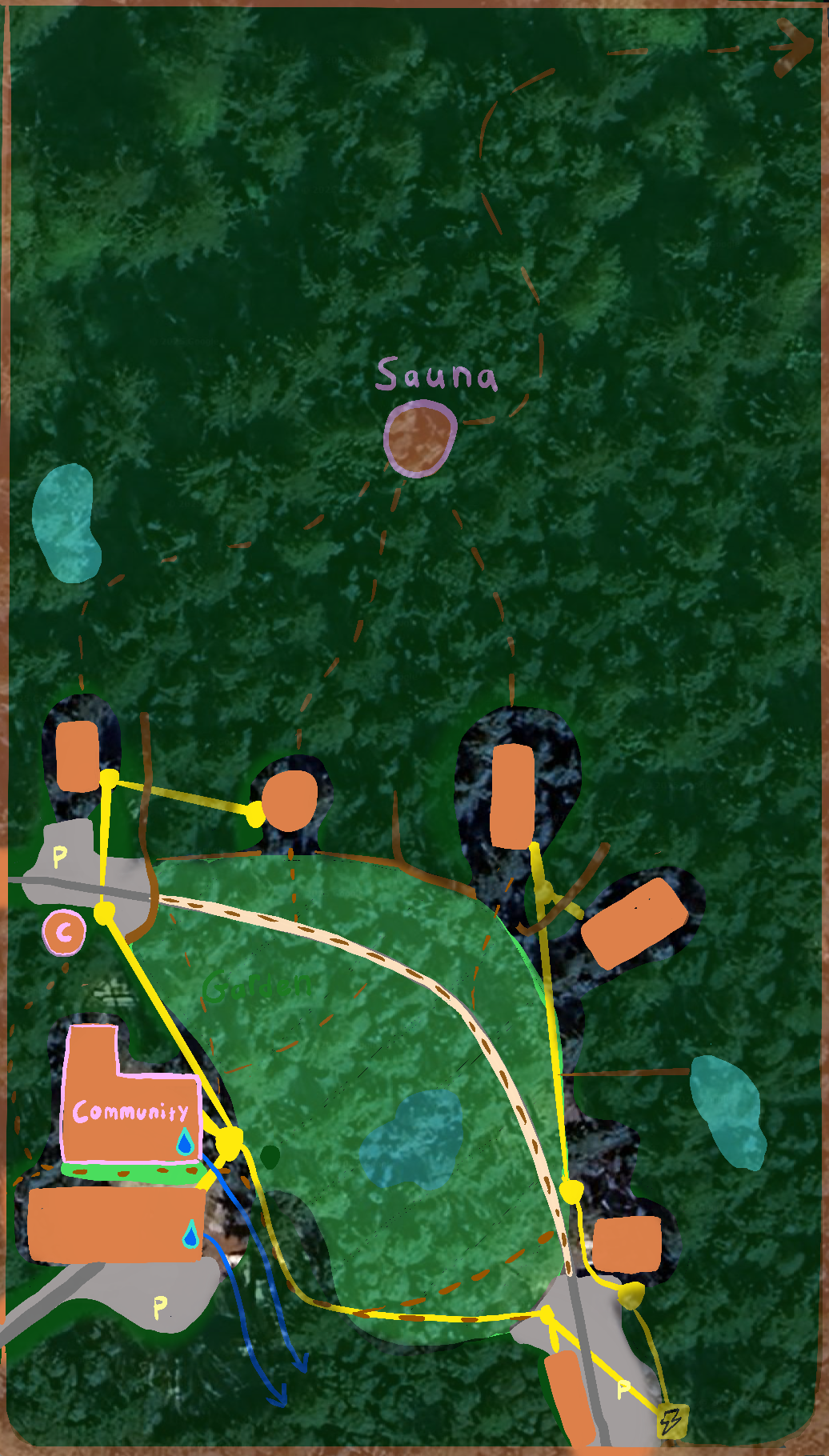
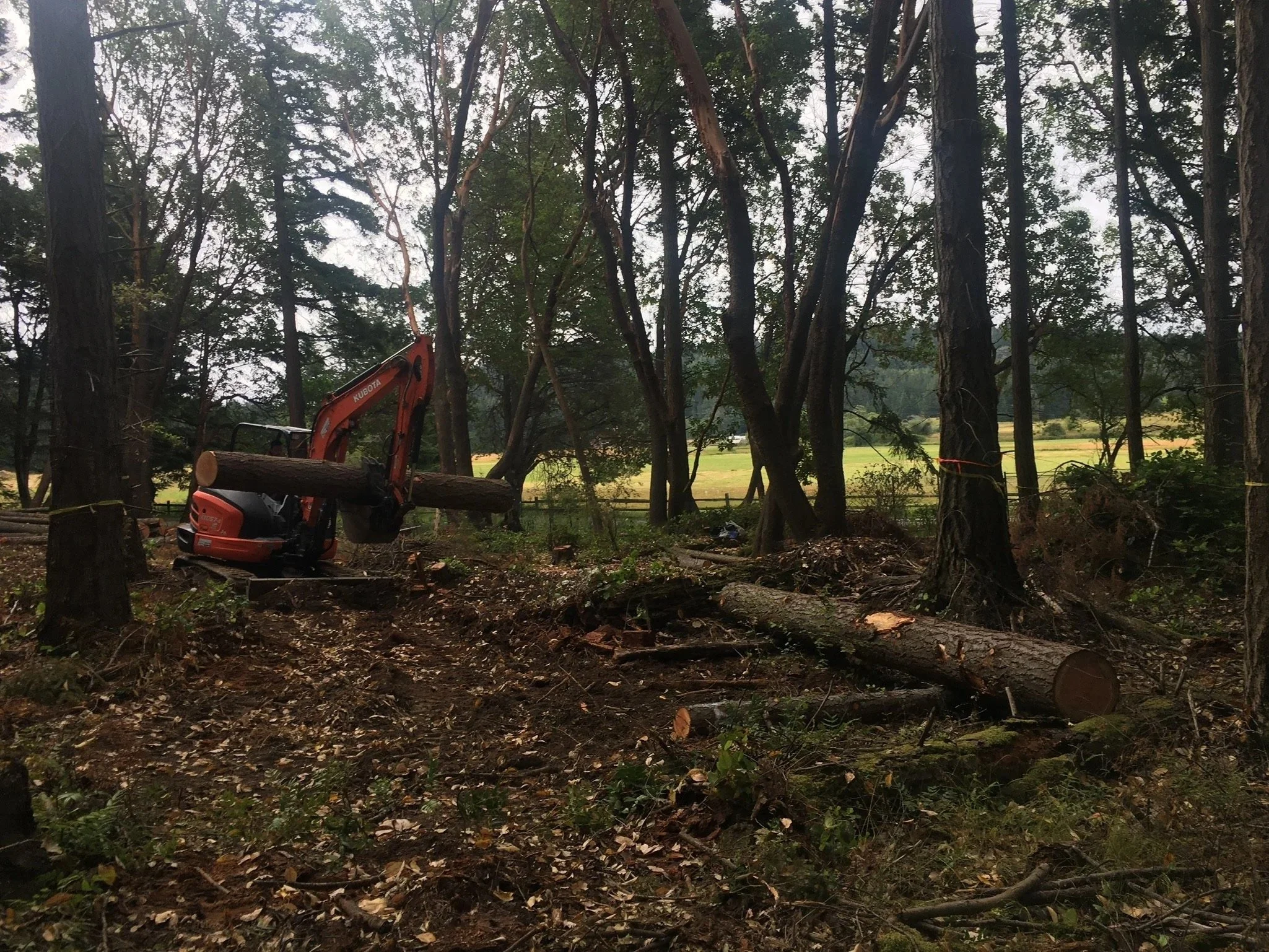
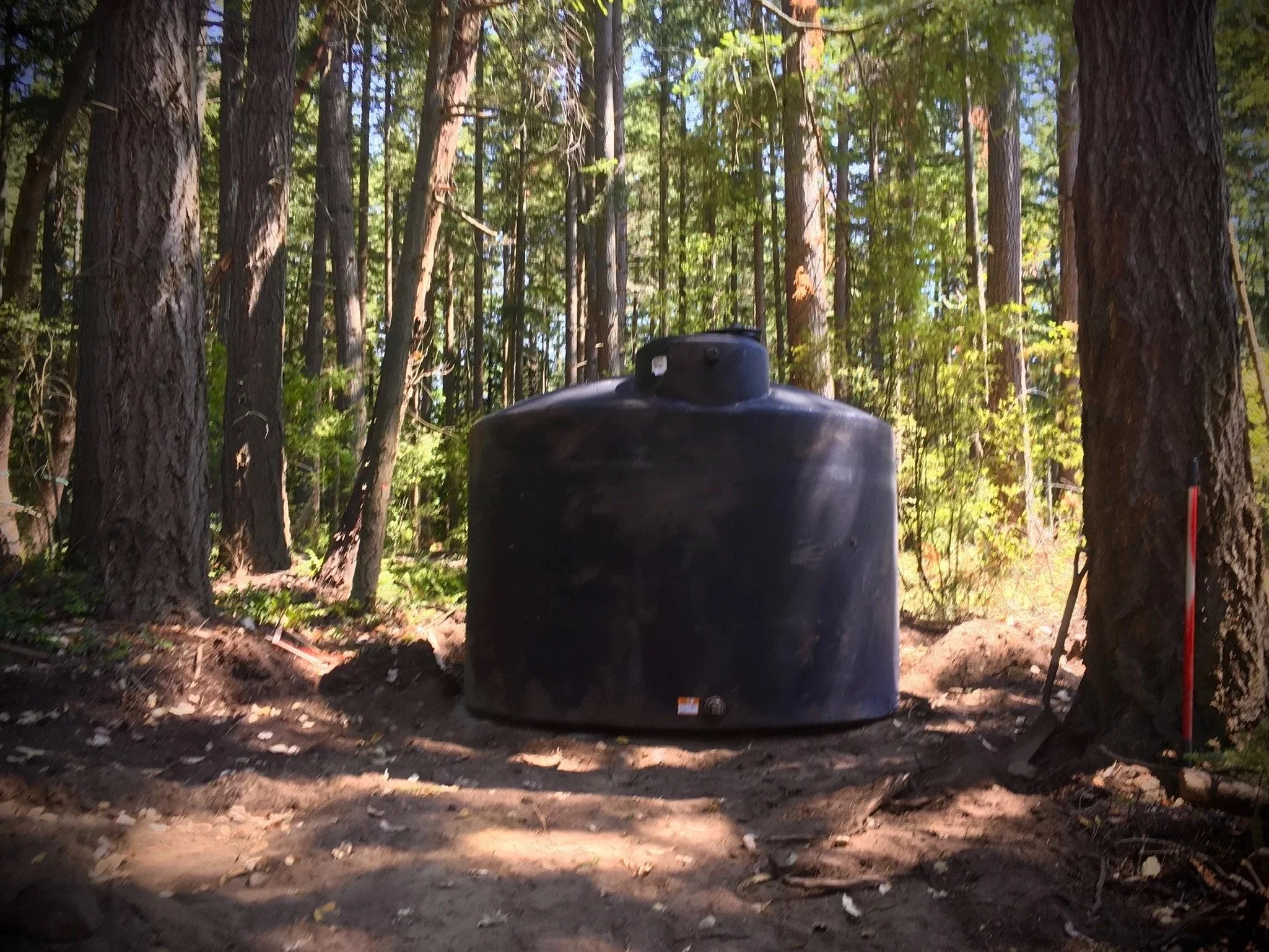
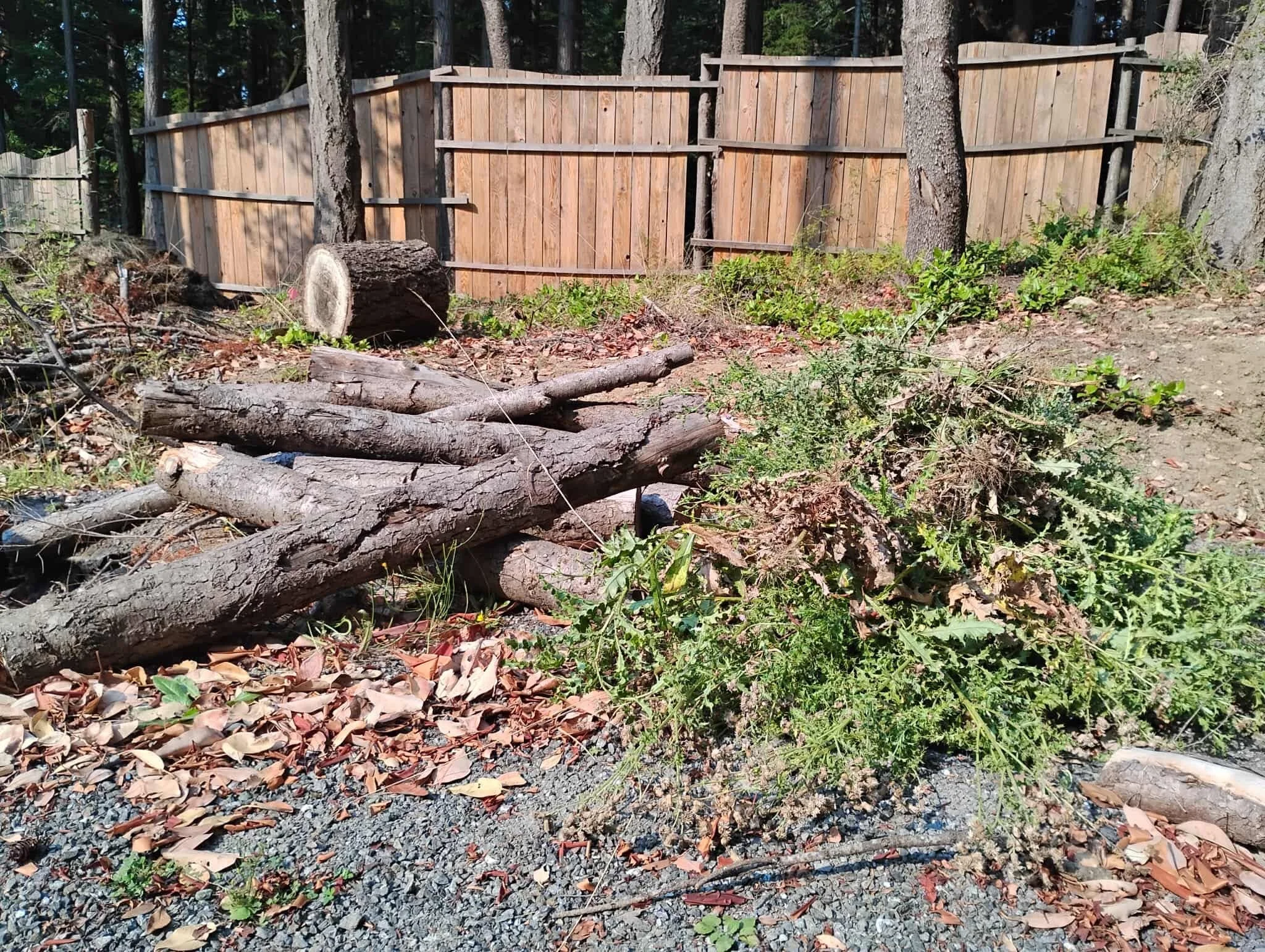
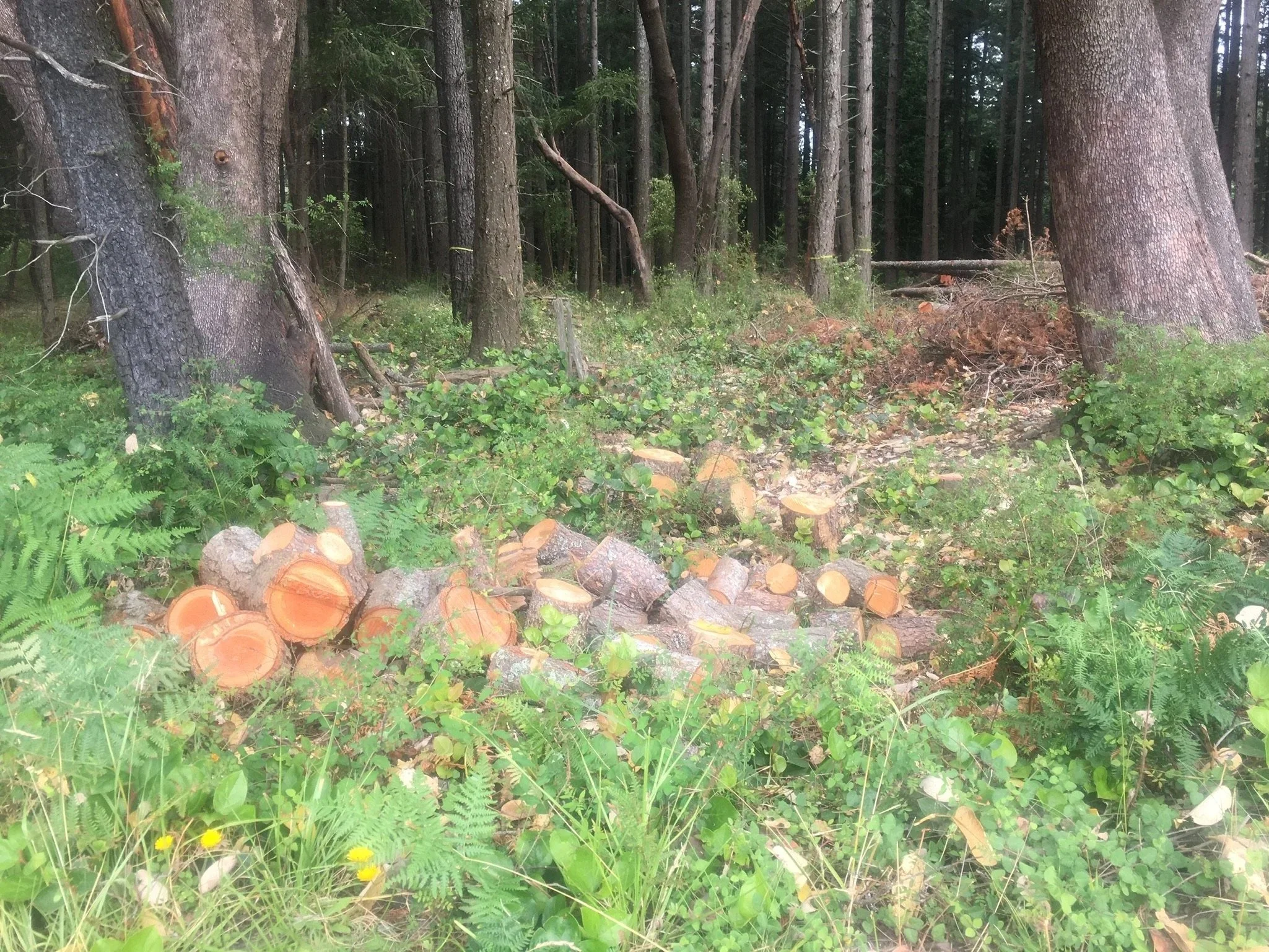
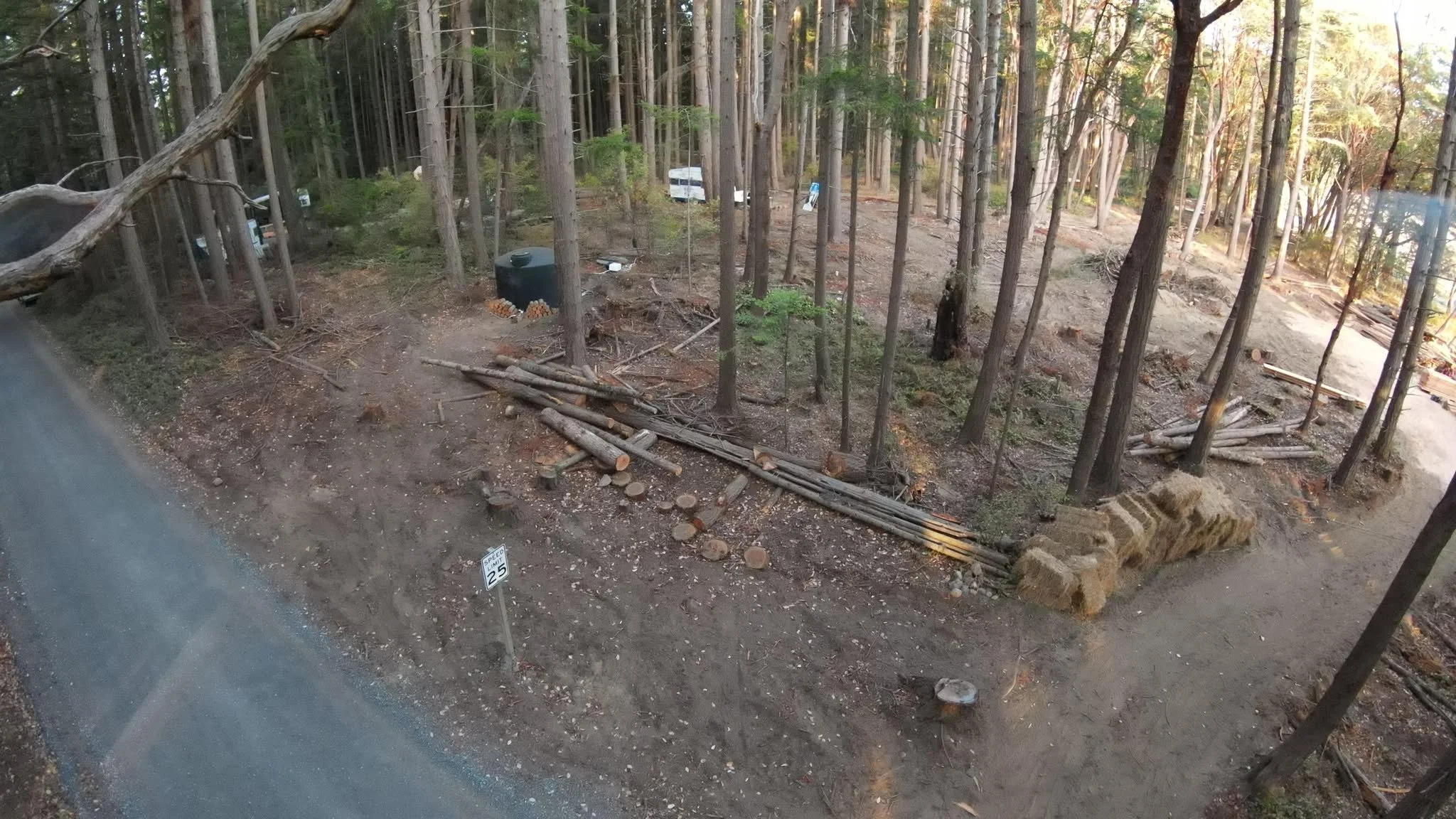
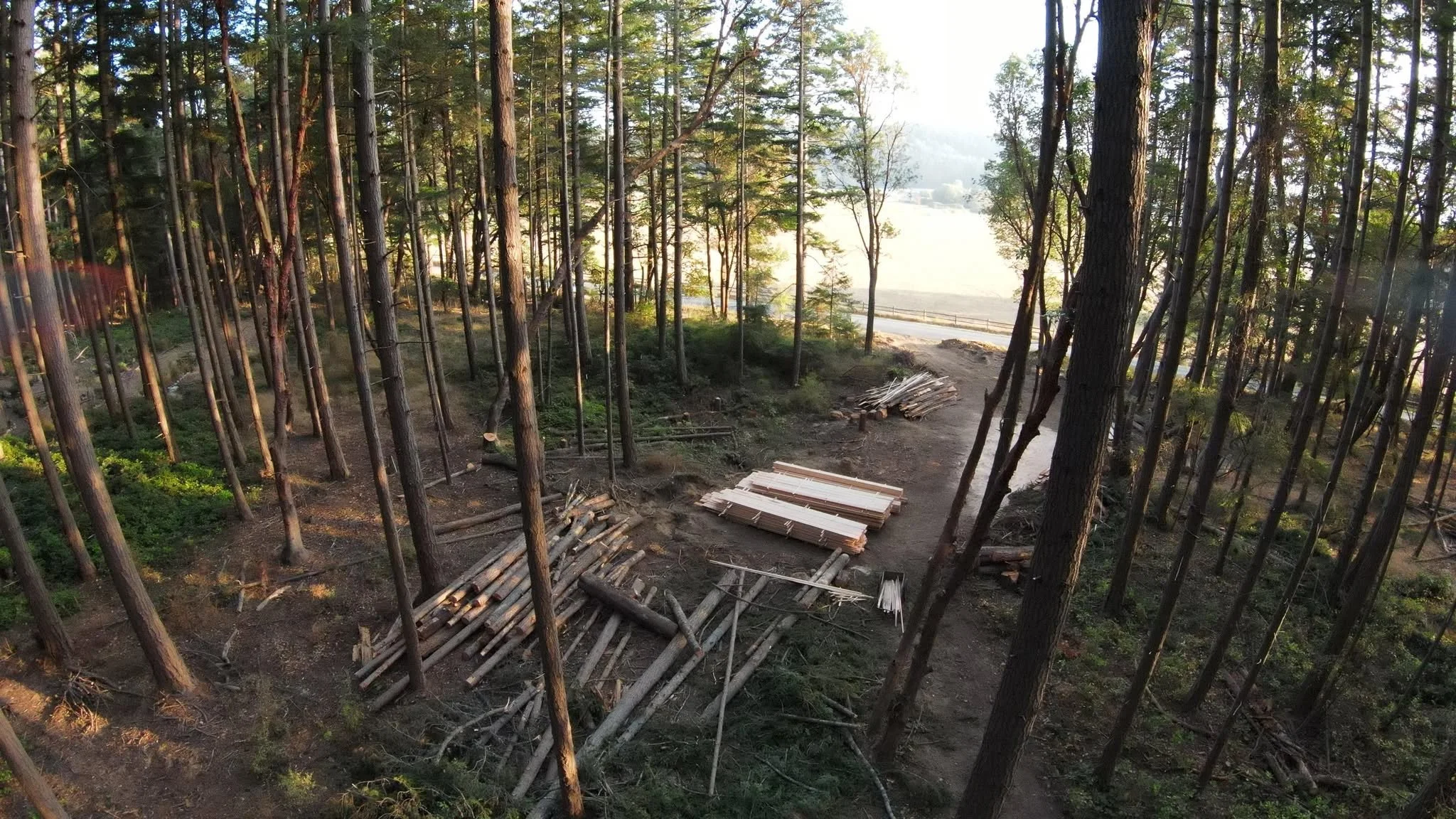
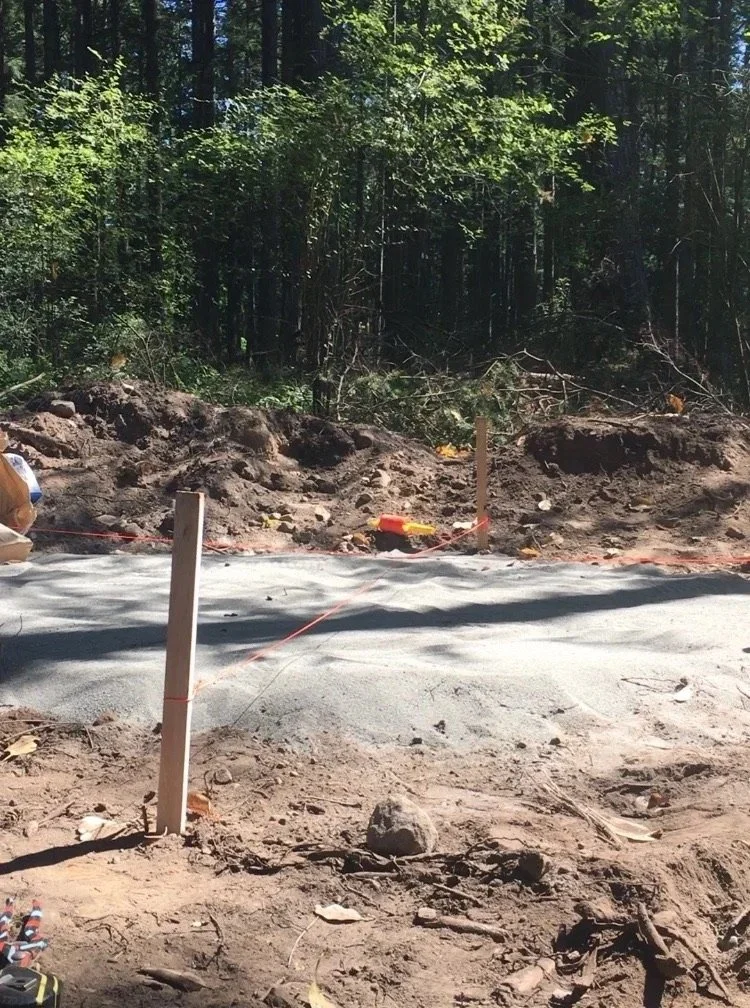
The first phase will include a community building with a kitchen, two bathrooms, and shared studio space, well as one permanent home/workshop, 4-6 movable dwelling sites, a greenhouse, solar power, shared infrastructure, and a path toward future expansion.
GRADULAL BUILD OUT
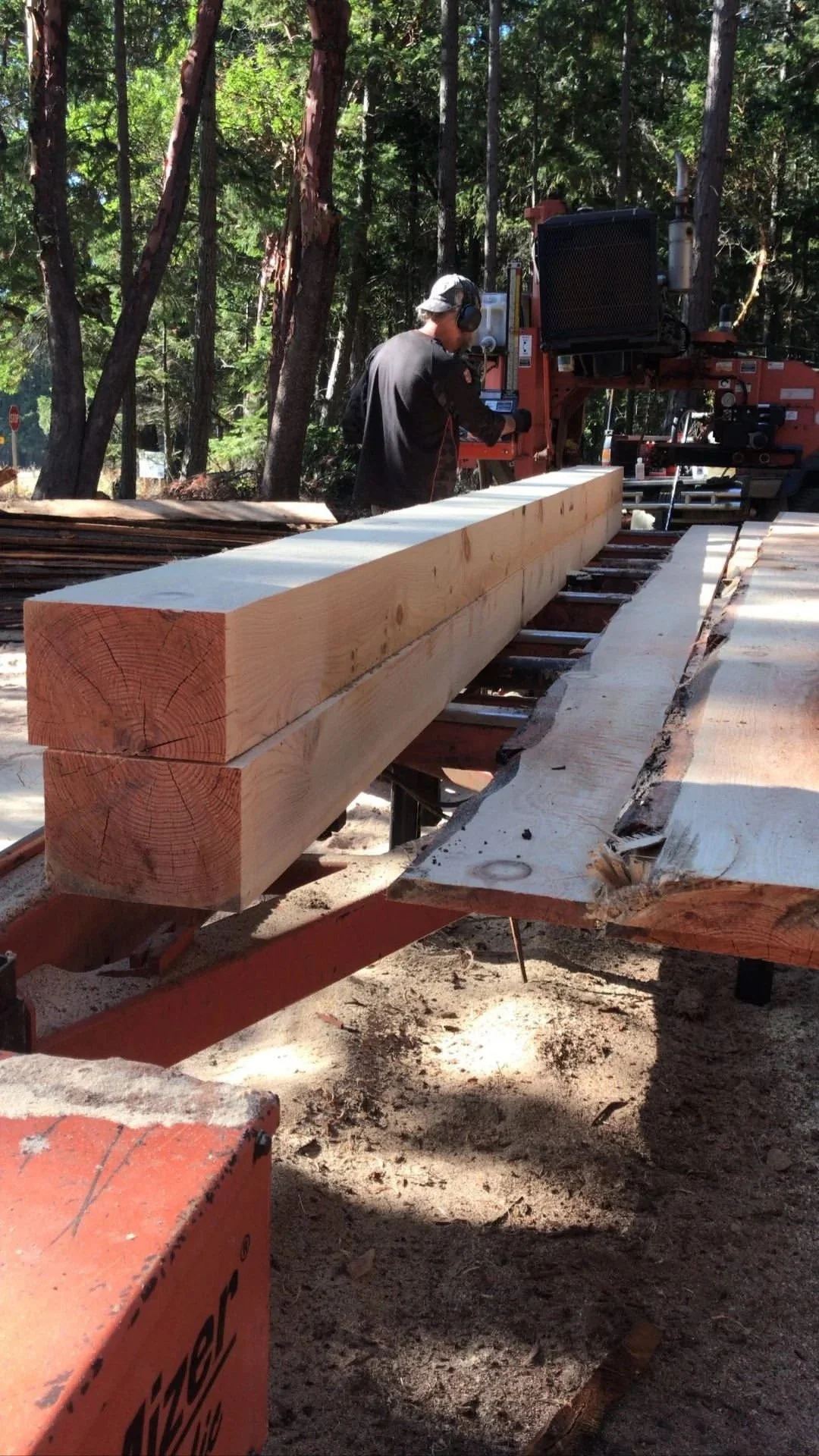
The project intentionally uses a gradual buildout model. Some sites may begin as tiny home, insulated yurt, reserved, or temporary-use areas and later transition into larger, more permanent kit homes as funding and labor become available. This allows the project to house people sooner, use local builders and seasonal labor, save up for higher quality materials, test island-designed kit homes, reduce lodging and construction costs, and adapt the site plan to the land over time.
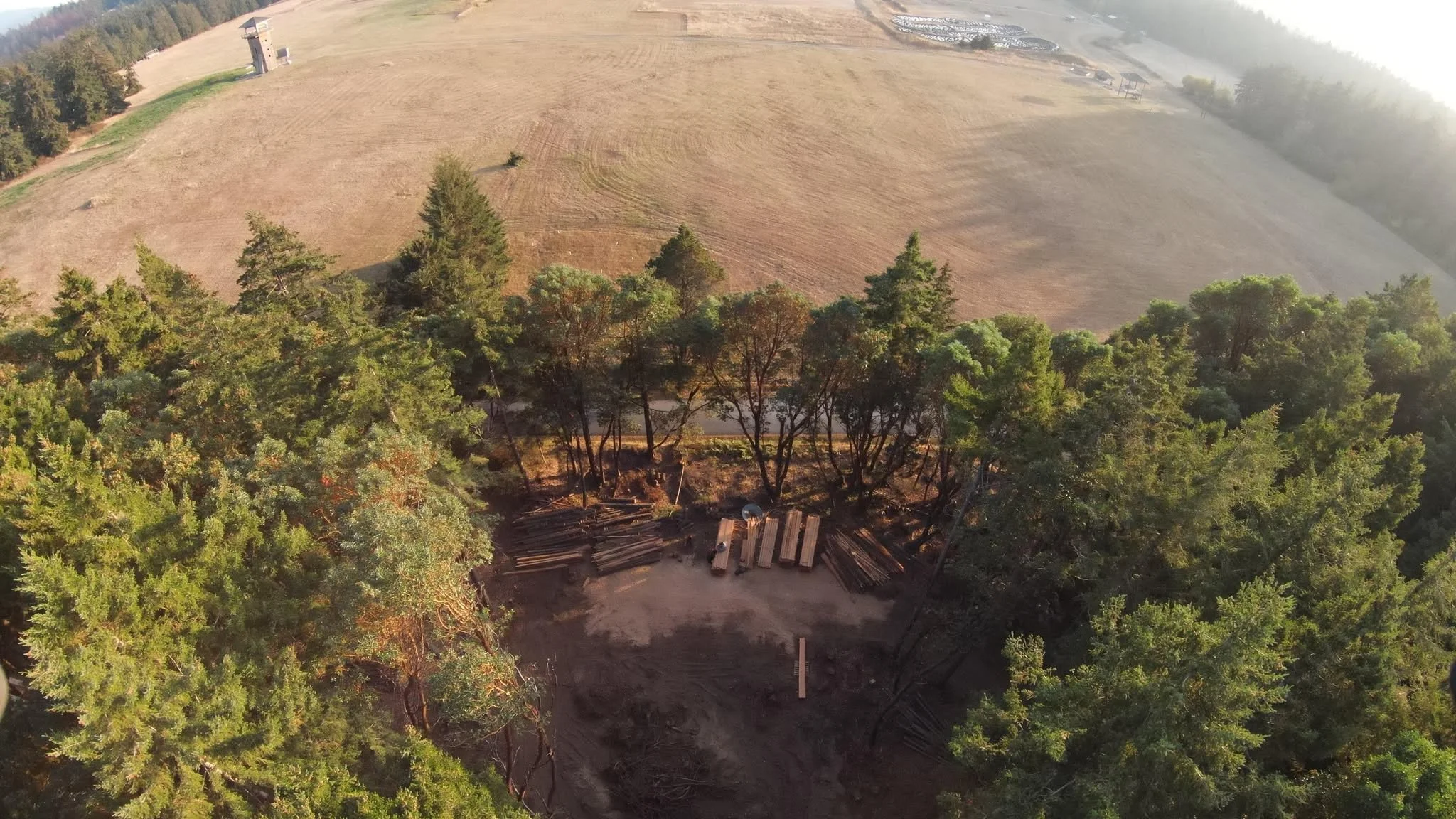
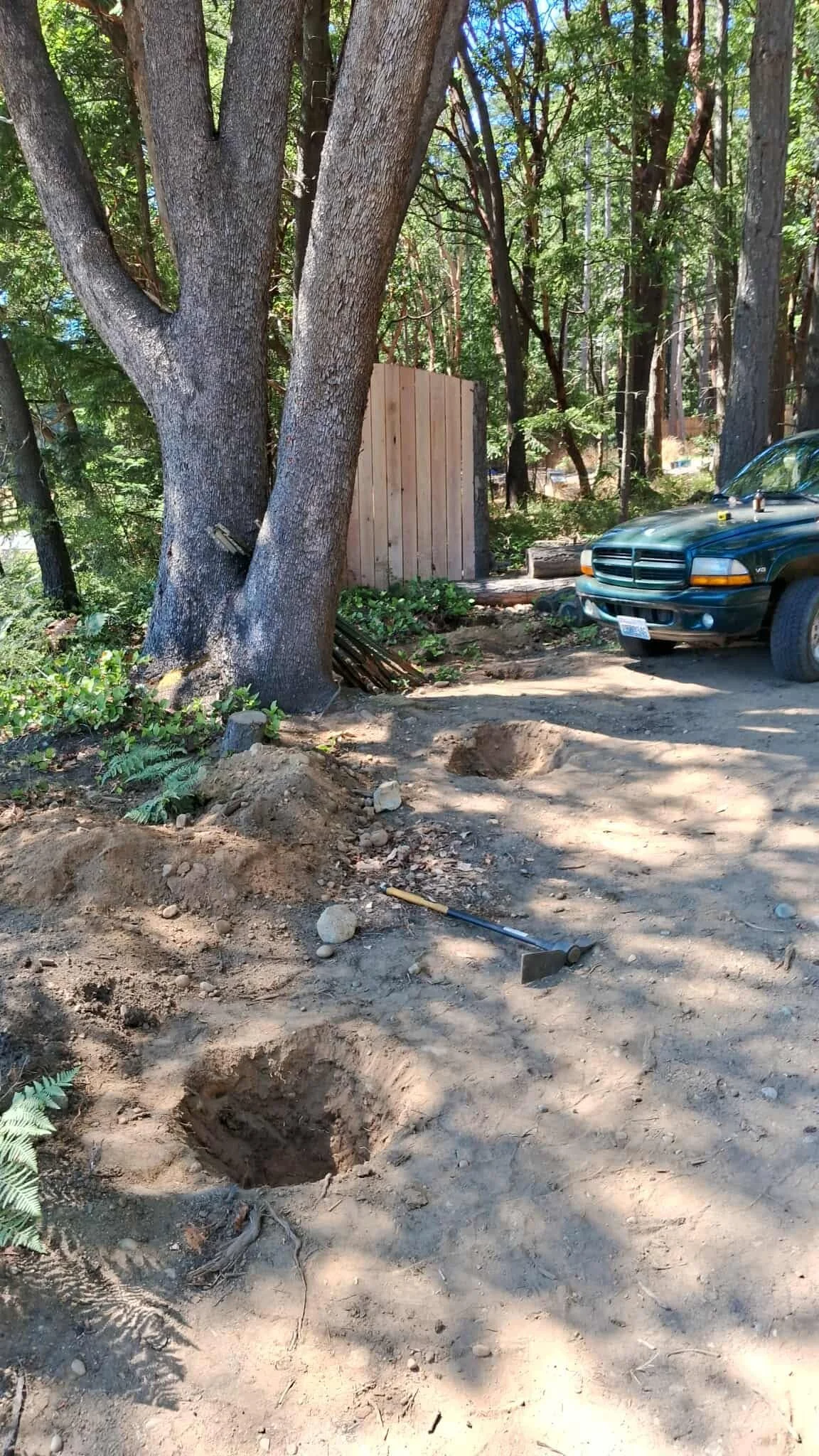
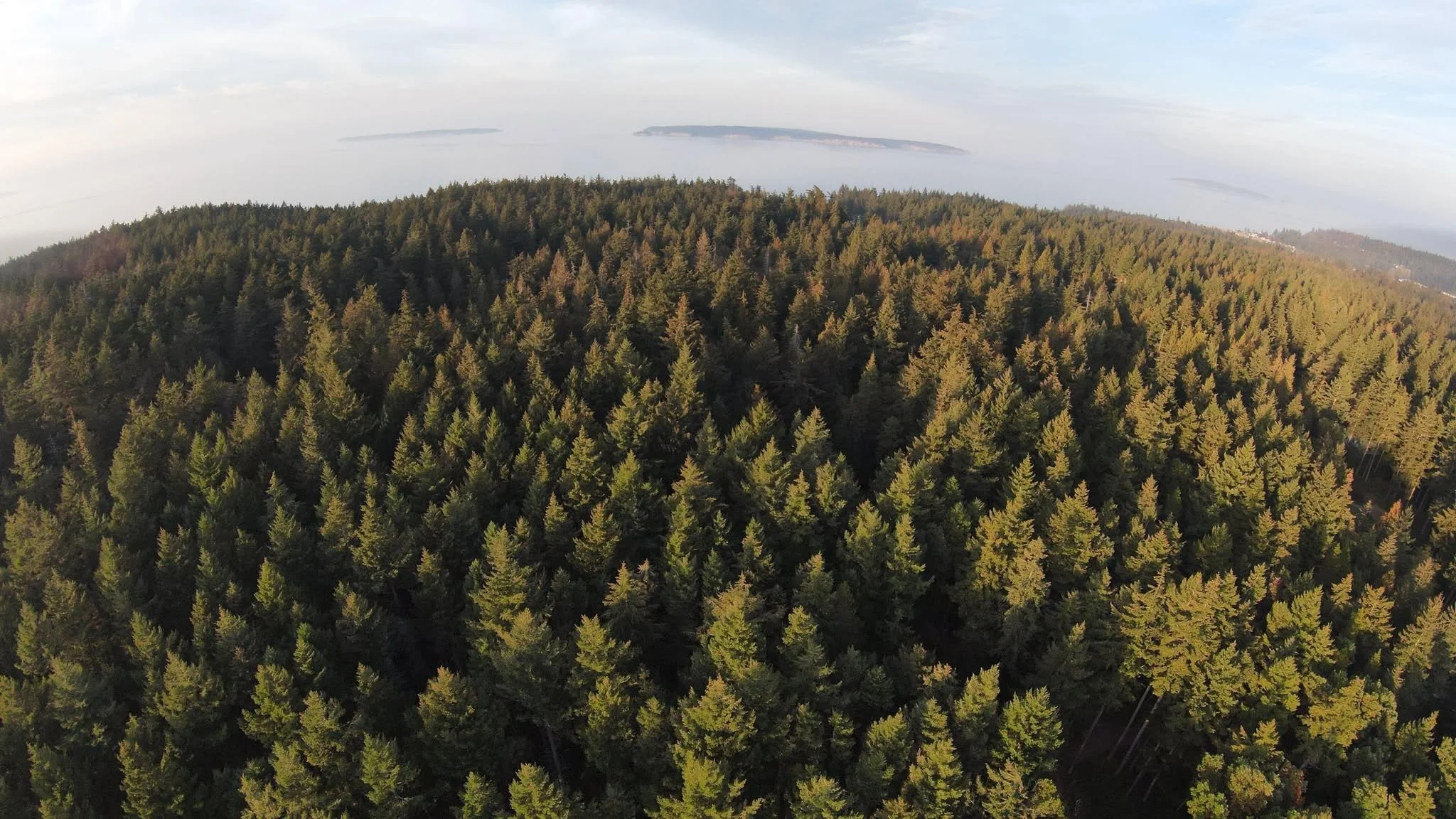
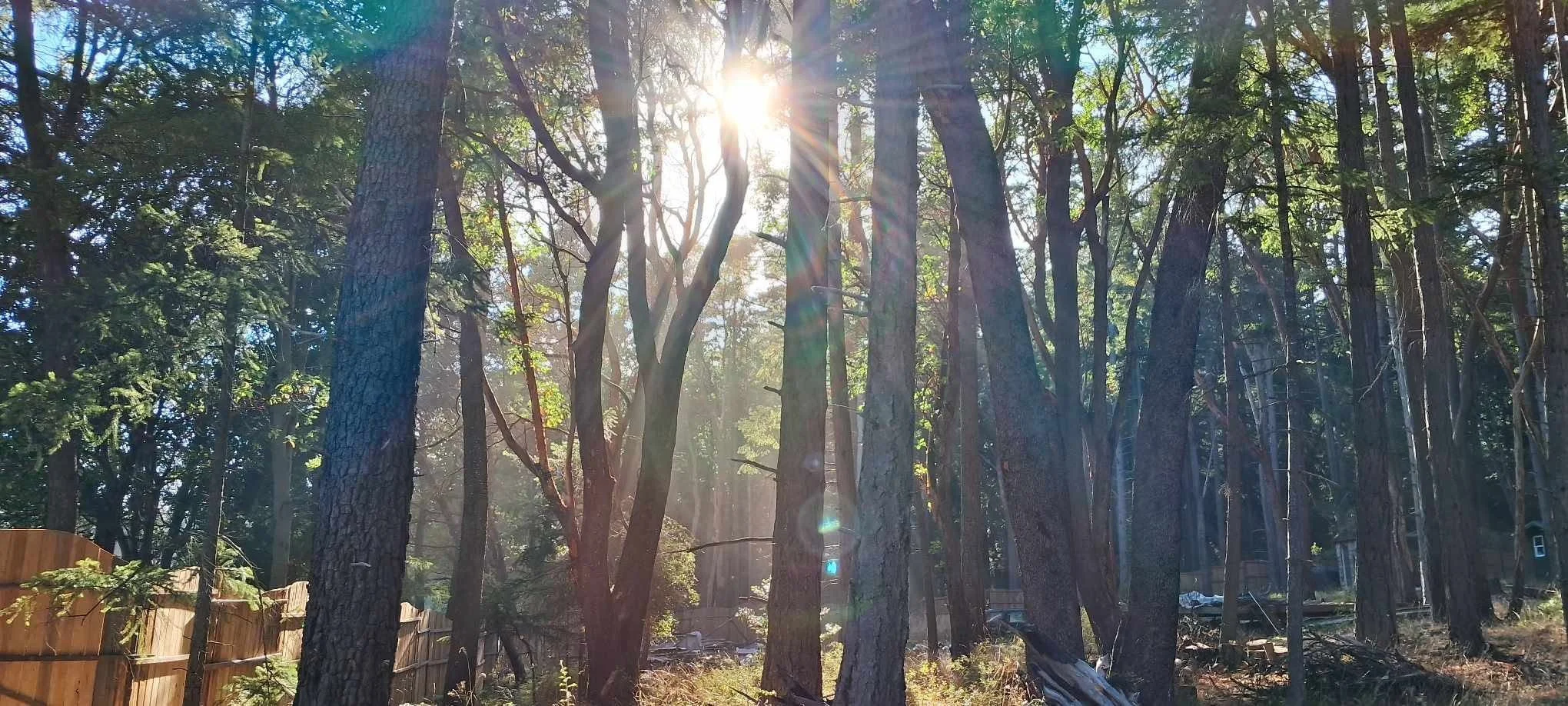
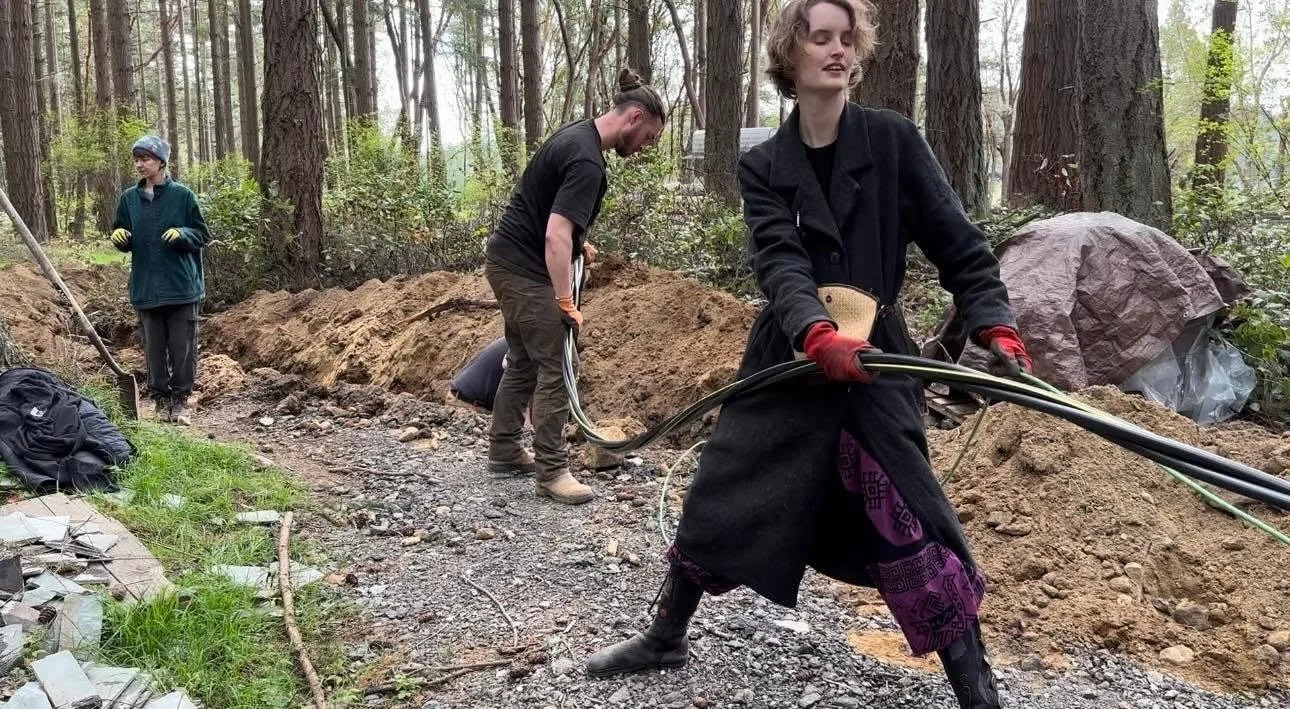
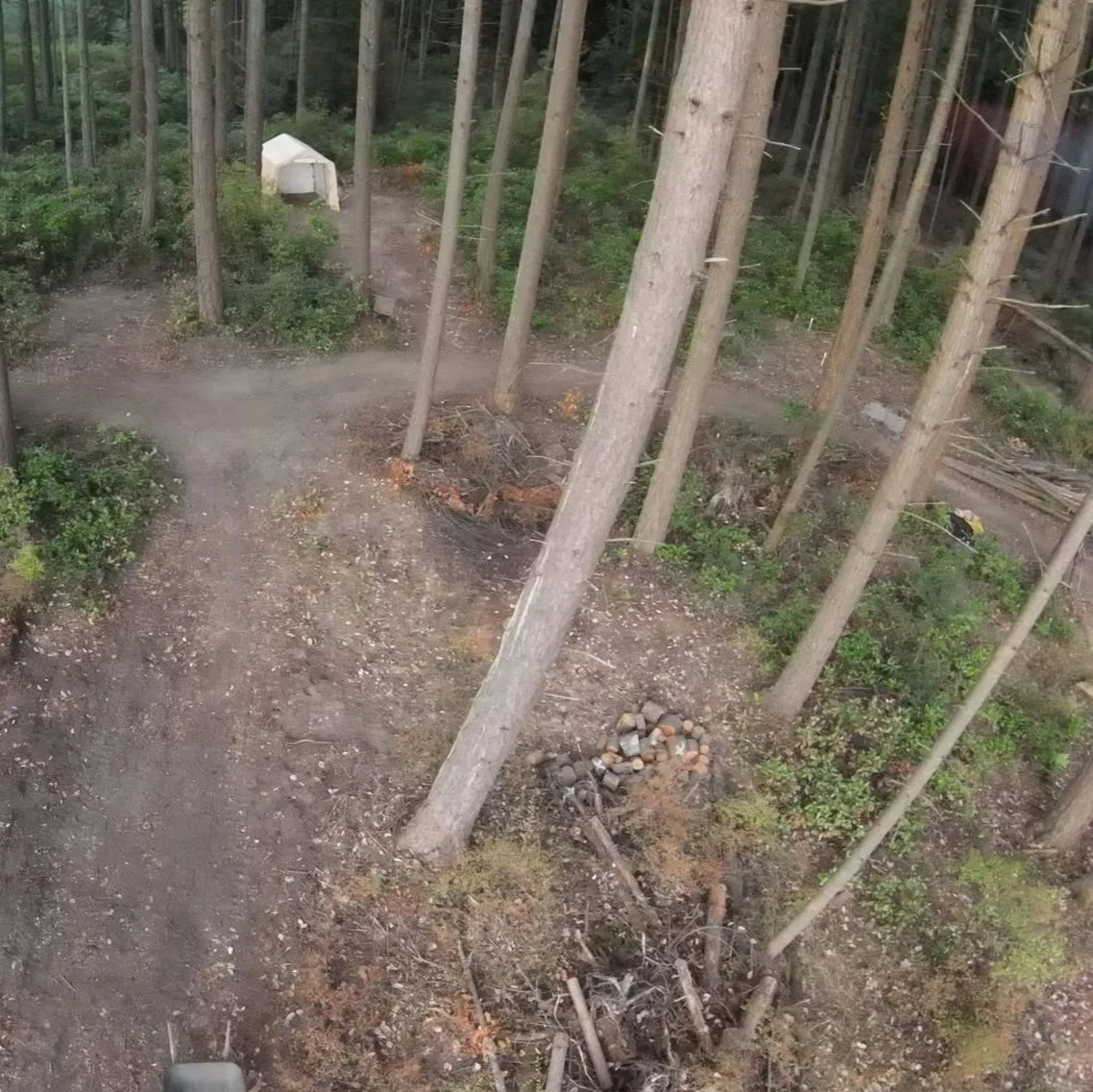
Vortex Development Photos
RCLT BOARD
RCLT’s board is made up of local residents and community members with lived experience in rural housing, agriculture, disability, building, stewardship, and cooperative projects.
Grey Tyson
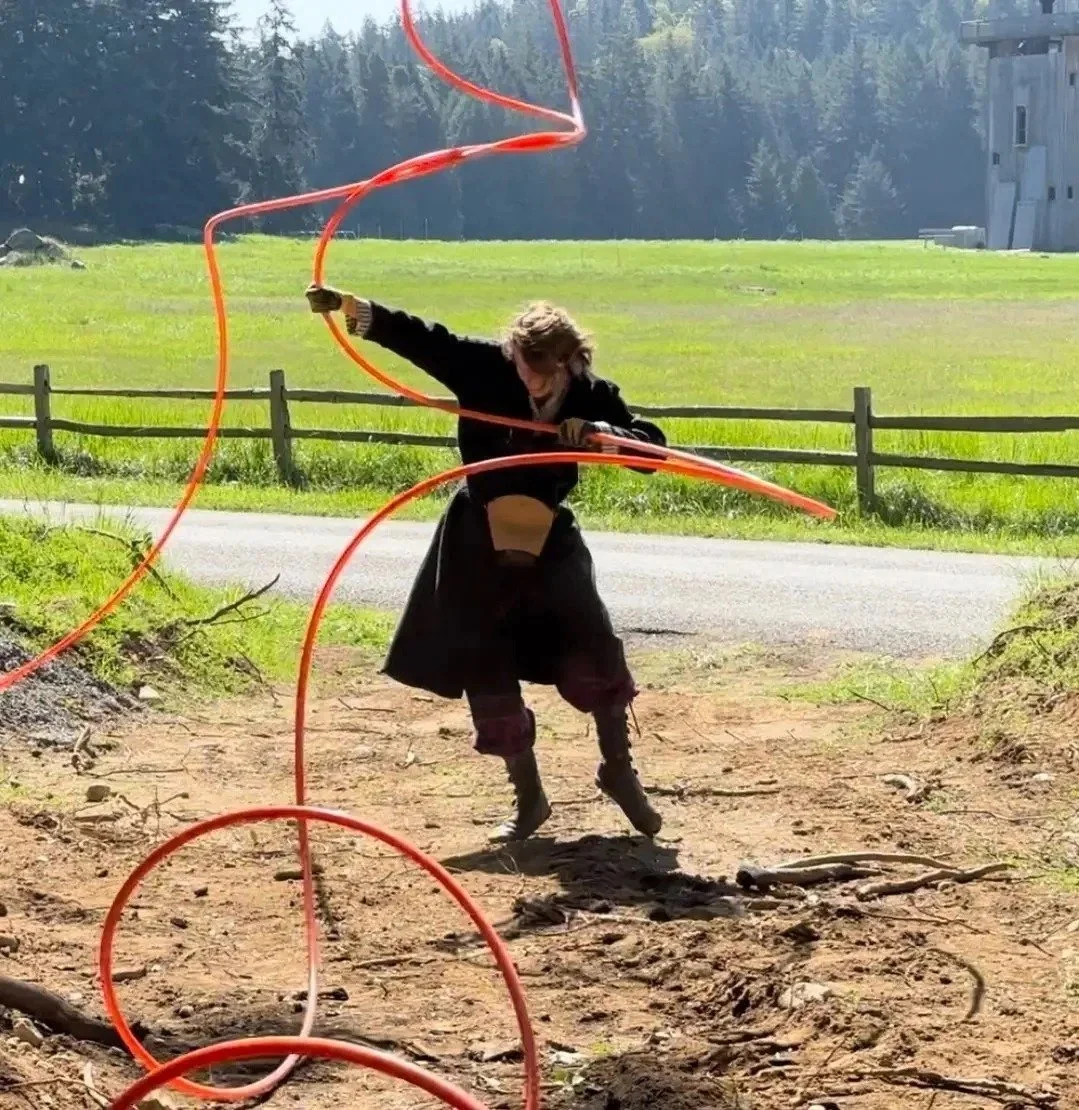
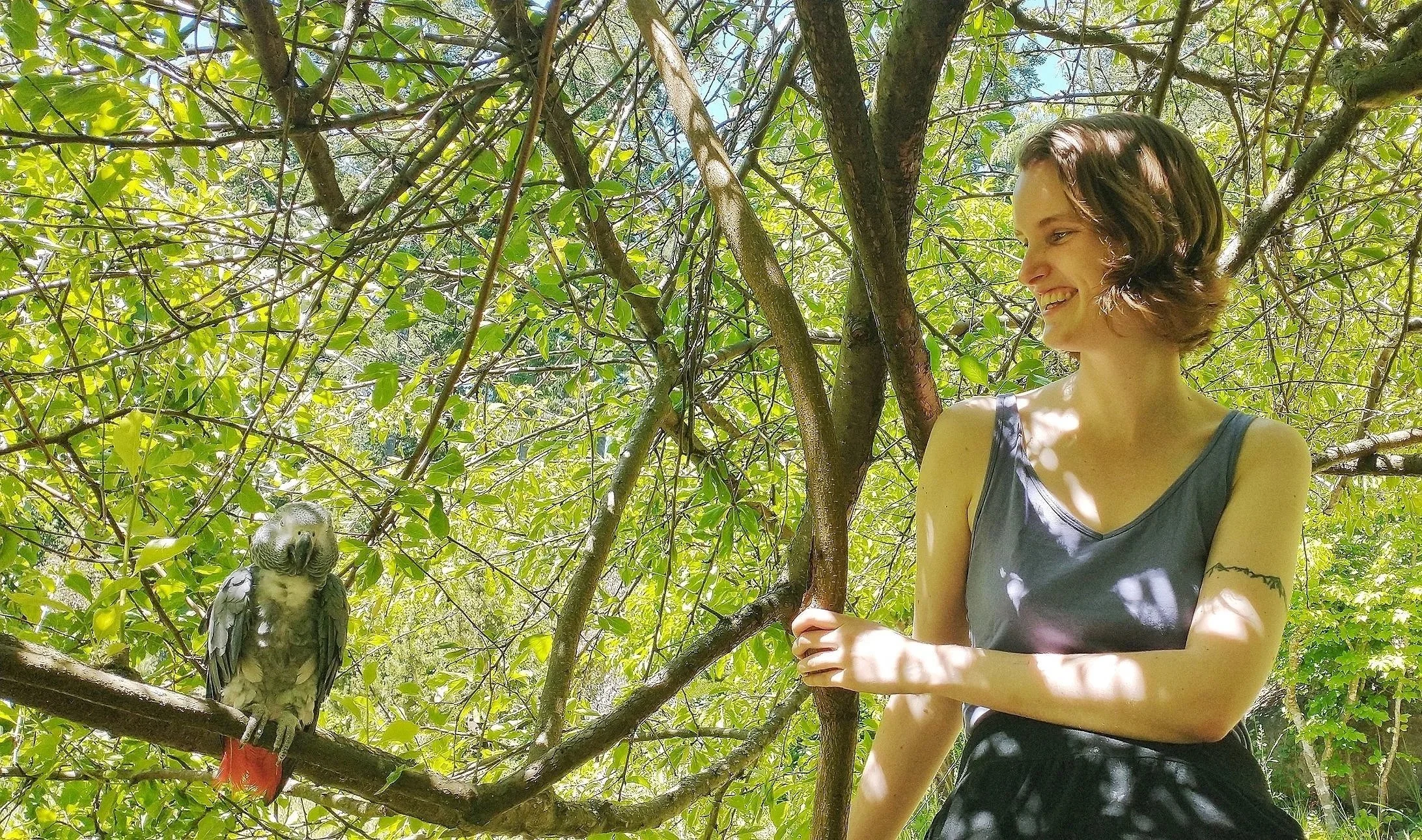
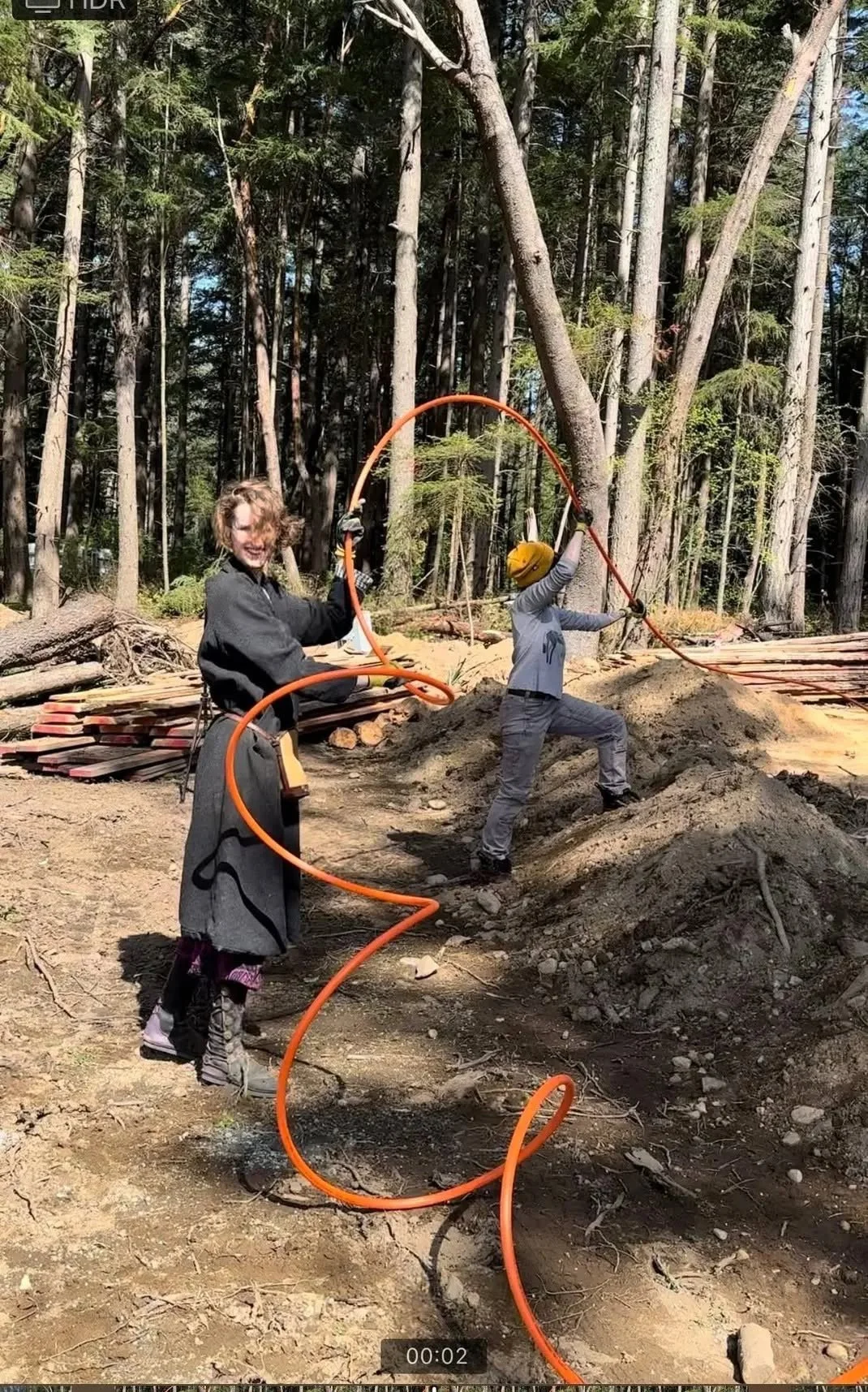
Grey Tyson is a community builder, systems thinker, and practical designer working to create regenerative spaces that are affordable, adaptable, and grounded in real life. With experience in cooperative housing, hands-on innovation, trauma-informed organizing, and cross-disciplinary project development, they build models for shared living, creative infrastructure, and community stewardship that respond to both social and environmental realities.
Their work is shaped by lived experience with chronic illness, neurodivergence, and environmental health challenges, giving them a direct understanding of how badly many existing systems fail the people they are supposed to serve. Rather than treating those conditions as separate issues, Grey approaches them as connected systems that must be designed in tadnem to support health, dignity, and long-term resilience.
Grey’s work is driven by a belief that better systems should be tangible, beautiful, and usable, and that communities need tools they can actually carry forward themselves.
Taja Wicks
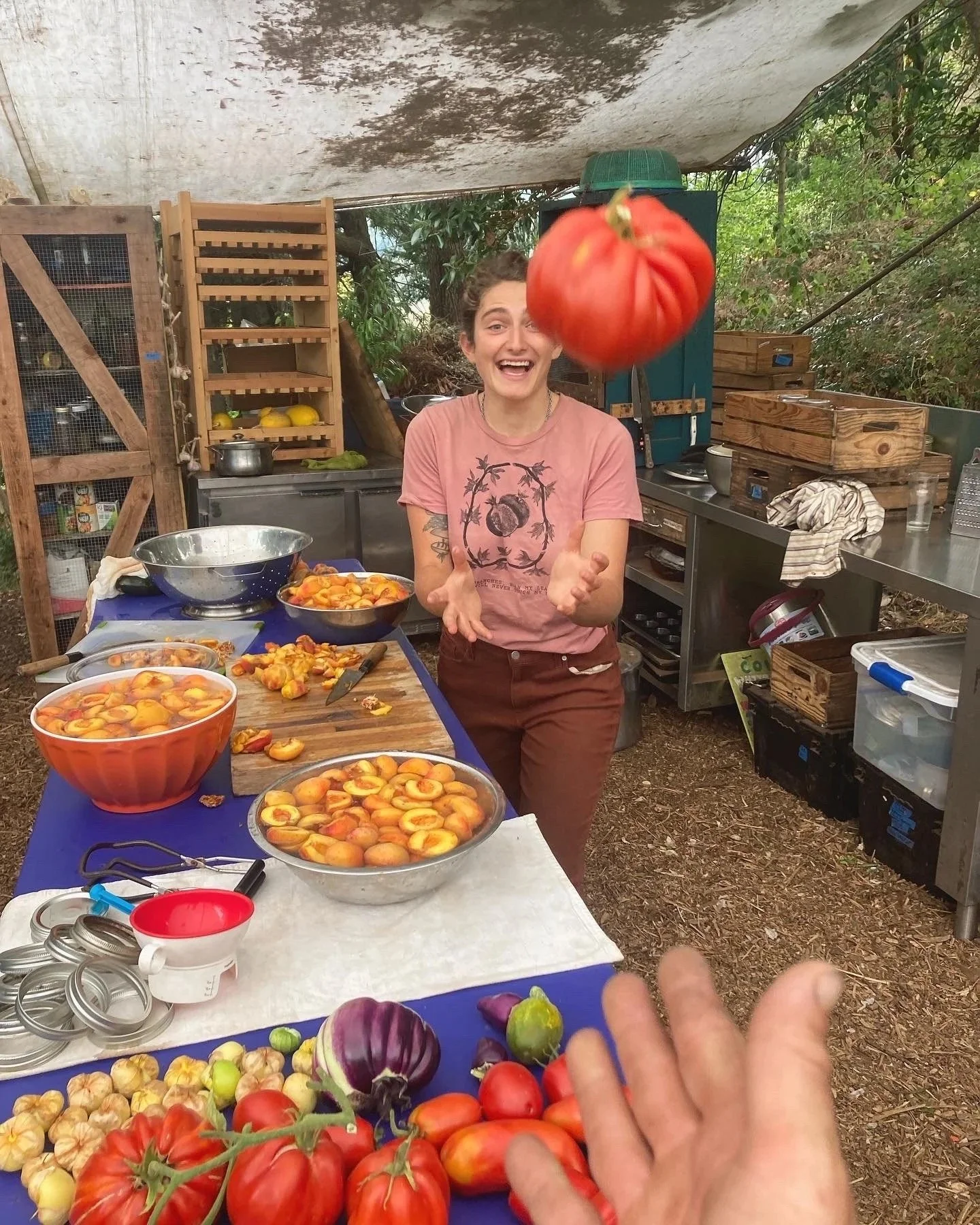
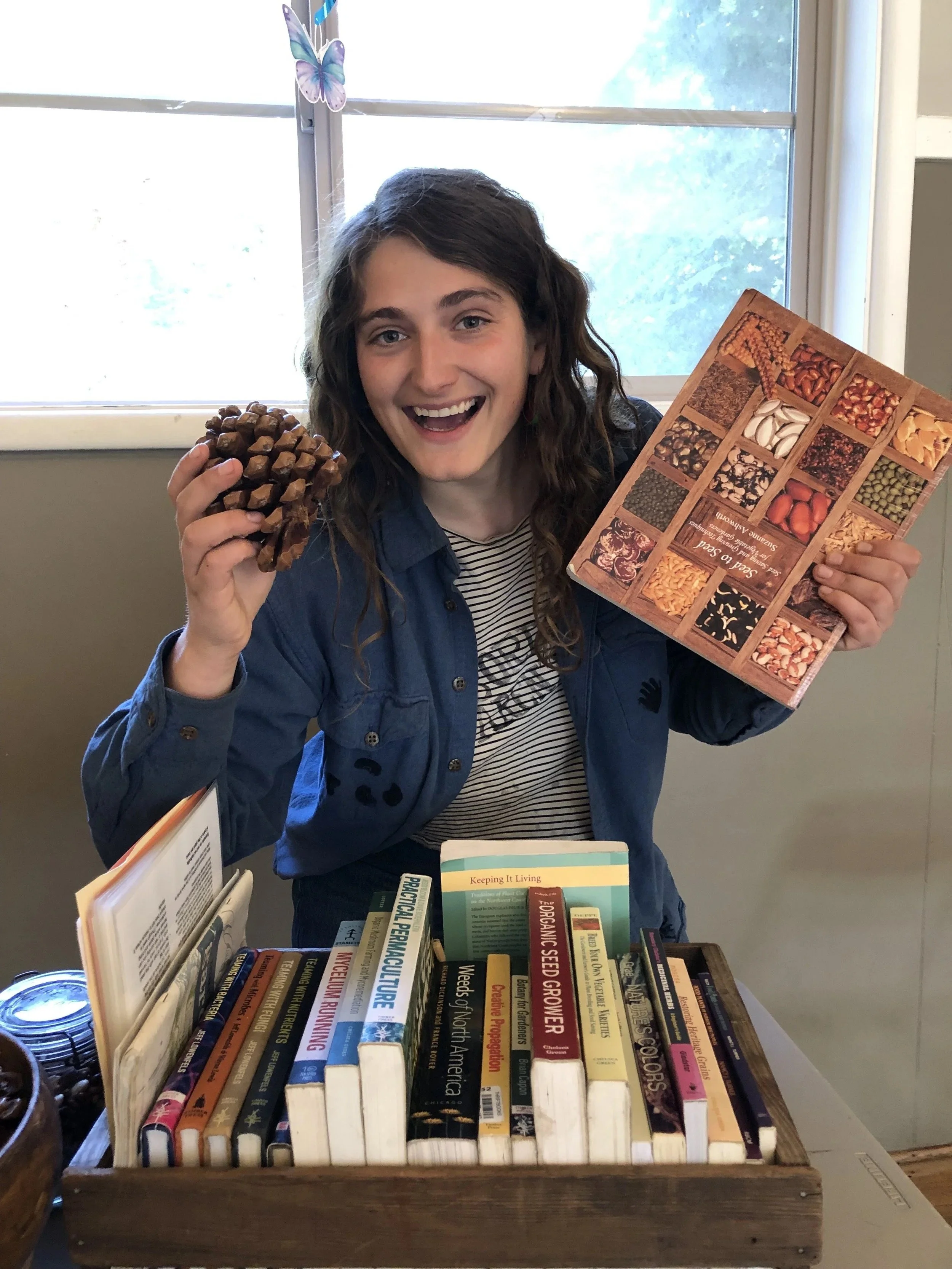
Taja is a seed keeper, educator, grower, garden coach, permaculture consultant, fermenter, amateur plant breeder and biologist, connoisseur of food and its preservation, and aspiring ethnobotanist, with a passion for nutrition and microbiology. She is grateful to those who organize and build new worlds, like her collaborators at the Center for Creative Repair.
Taja has spent the last 7 years on Orcas Island dedicated to learning how to live with the land. With a passion for reading and self-study, but not fitting into the formal education system, she focused on hands-on experience, learning from elders, those around her, and the cycles of the seasons. In 2022, after growing all the food she and her partner needed for an entire year from seed, she learned through that experience the pitfalls of the rugged individualism that drives America: just because we can, doesn't mean we should. We need community, we need laughter in the fields, we need our gardens to be our art, we need people around to tell stories, to sing songs, to ask questions we would never think to ask, to be together sitting in a circle threshing seeds.
This is what brought Taja to teaching 7-month workshop series on permaculture, observation, food preservation, growing food year-round, off-grid systems, seed saving, and breeding. She feels she will learn something new every day for the rest of her life, and believes the best way to continue her education is to share her knowledge. She loves all the diverse perspectives that come from many different people working together, and how that leads to new ways to teach and understand the world.
The village has been taken from us. The tragedy of the commons is something to learn from. People getting to be together, learn from one another, and grow with the seasons, remembering we are not separate from nature, but in deep relationship and symbiosis with the earth. This is the thing we all crave, but most have forgotten.
Taja wishes for every child, or inner child, to get to plant a seed and watch it grow through the season, to produce hundreds of seeds. This simple act reminds us we do not live in scarcity, we live in abundance. We must remember that this abundance must be shared.
Bailey Quishenberry
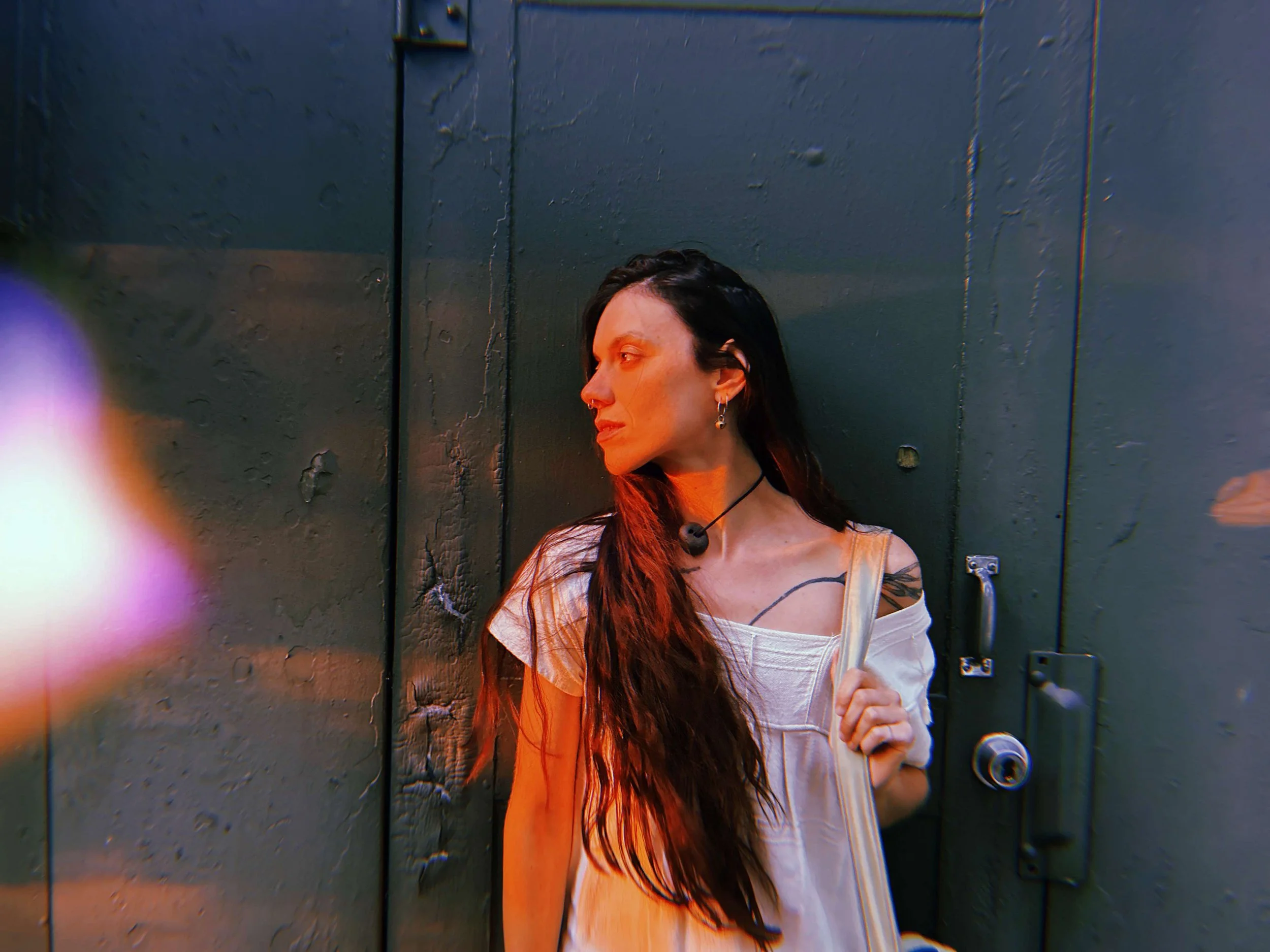
Bailey is a Shawnee queer artist, farmer, language teacher, and educator living on unceded Coast Salish territory. They are also a steward of Long Duck Farms. They believe in art not as a luxury, but as a practical necessity.
Their ethos is that there is no choice but to create art, because art is how we convey meaning, but also how we live. To live is to change the world around you and to tell a story, and you can do that intentionally or not.
They want to teach people how to take the stories inside of them and put them out into the world, however they feel called to do so.
Art is, for Bailey, the process of living.
Their praxis is practical art that serves a purpose, with roots in folk art, illustration, cultural storytelling, protest posters, mythos, and portraits that hold the subject in a clear and kind light. It is a praxis that sits in conversations over dinner and in community art projects.
Their paintings are meant to be on walls and in pockets, pressed between the pages of favorite books, printed on stained work shirts, or snuck under a fresh loaf of bread left on a doorstep.
Bailey is currently looking for more varieties of beans for their dried bean collection. Someday, they plan to make the world’s most comprehensive Every Bean Soup
Zach Tillman
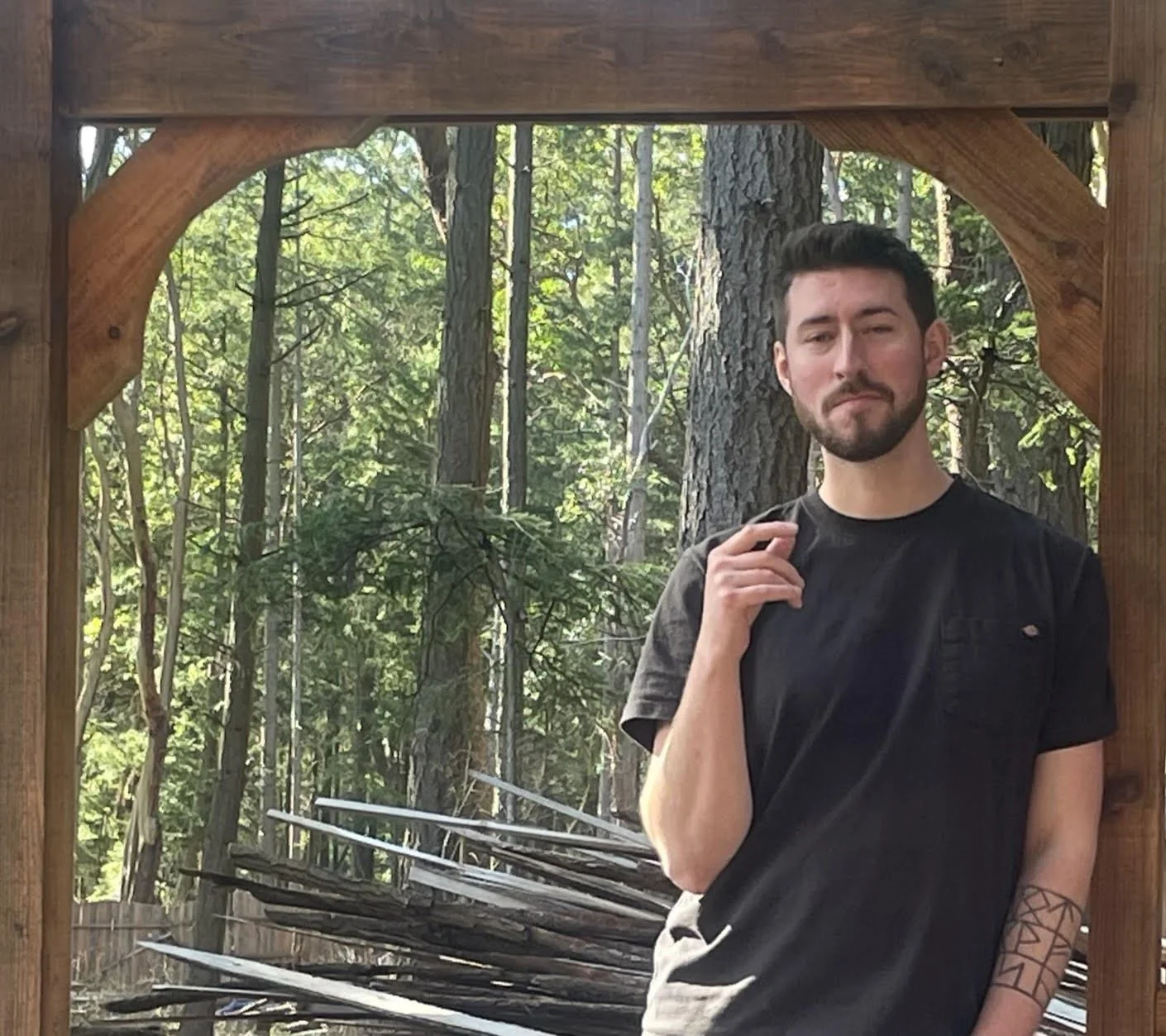
Zachery Tillman is a visual artist and craftsman. As a fourth generation local to Orcas Island, his work is primarily inspired by the natural captivating beauty of the Salish Sea. Leading to a lifetime of dedication to building sustainable community and fostering environmental awareness here in the San Juan islands.
Pedro LopezDeVictoria
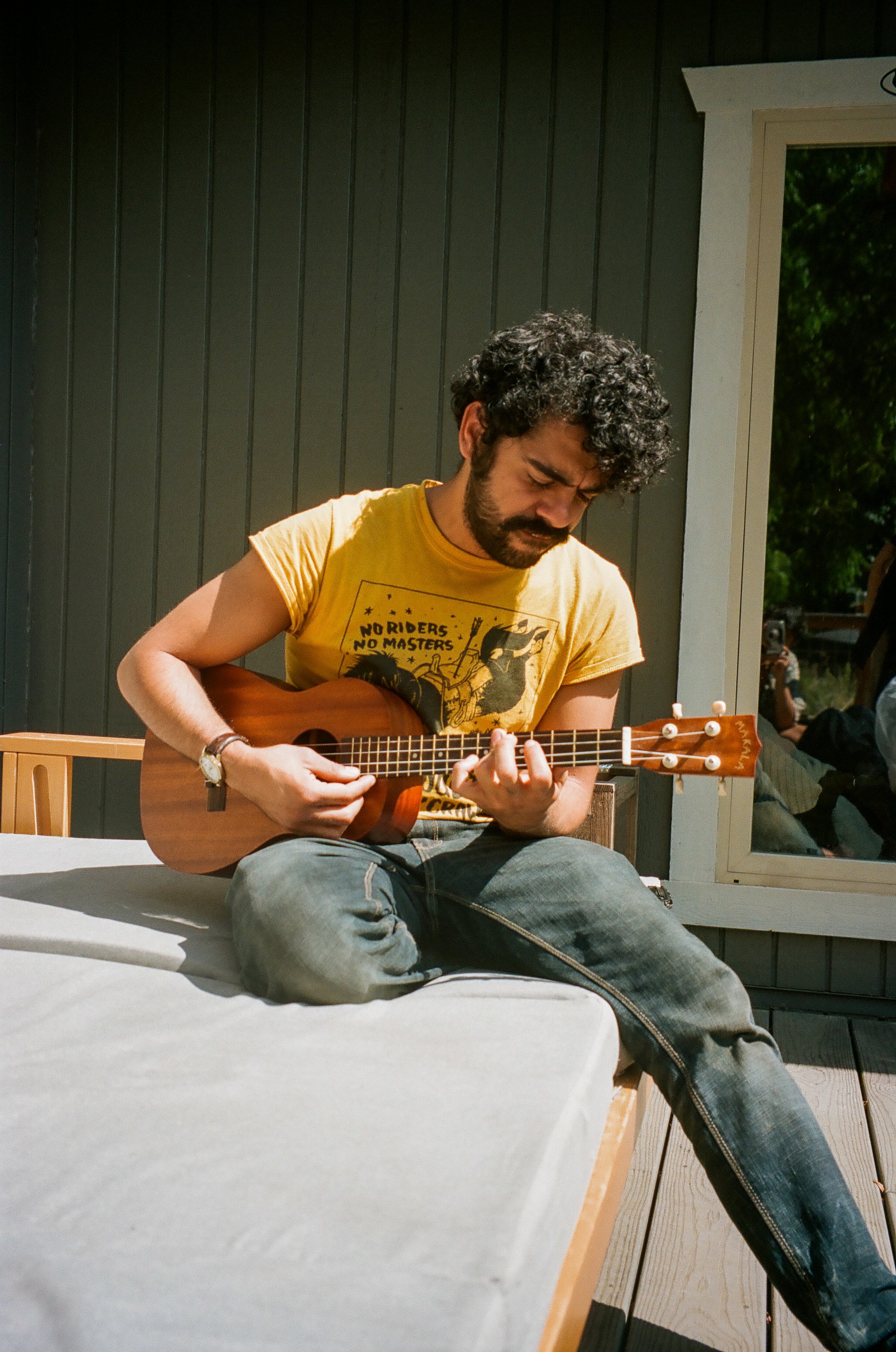
Pedro is a musician, educator, and farmer living on Orcas Island. He is currently the lead roadie for local band Star Guts, a ten-year veteran of cinema projection and management, a children’s entertainer, a novelist, a playwright, and a believer in all islanders. He moved to Orcas to slow down and benefitted greatly from a transition away from city life towards the sustainable rhythms of rural life. He has created many educational programs around media literacy and songcraft, and is responsible for designing the Richie Moore Songshop at the Funhouse Commons. He hasn’t caught any fish this year, but with determination, he believes he can accomplish most things.
Kyle McNeal